
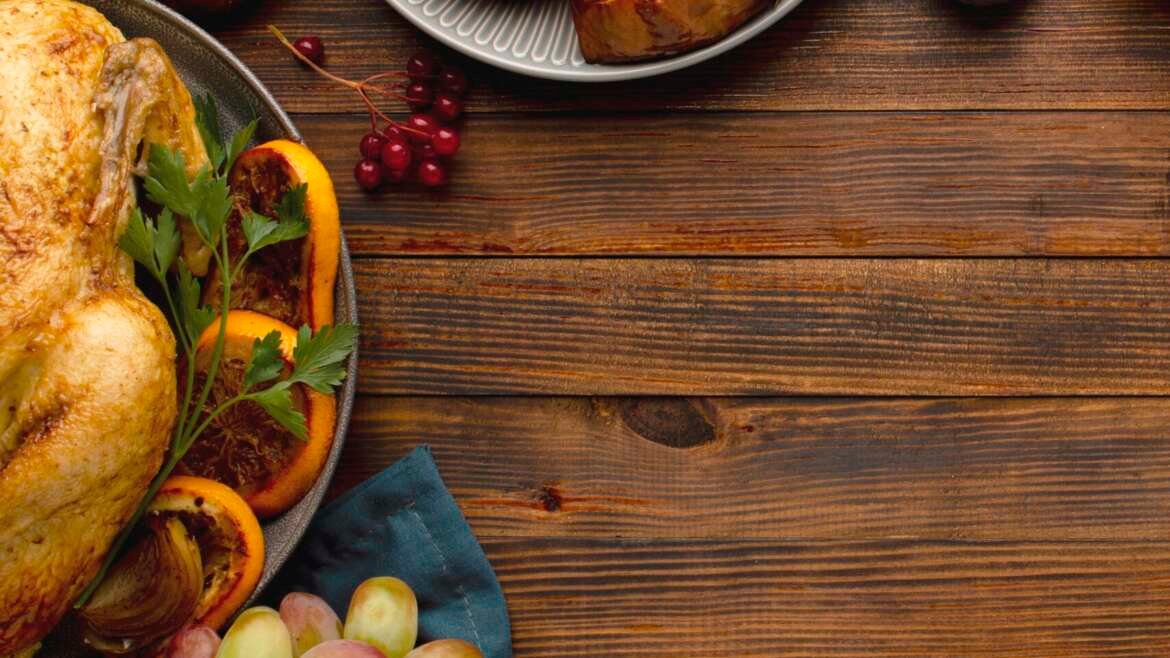
Looking for healthy Thanksgiving food ideas? Discover five delicious ways to make your Thanksgiving meal more nutritious, balanced, and satisfying without giving up the holiday foods you love.
Thanksgiving is one of those holidays where food is more than just food.
It is tradition. It is family recipes passed down through generations. It is the smell of roasted turkey filling the kitchen, a table covered with everyone’s favorite side dishes, pumpkin pie after dinner, and leftovers that somehow taste even better the next day.
And there is absolutely nothing wrong with enjoying it.
But if you’re trying to maintain healthy eating habits, Thanksgiving can also feel like a challenge. A typical holiday spread may include turkey, stuffing, mashed potatoes, gravy, casseroles, dinner rolls, cranberry sauce, desserts, sweet drinks, and plenty of appetizers—all competing for space on the same plate.
The good news?
You don’t have to choose between enjoying Thanksgiving and eating well.
Healthy holiday eating isn’t about avoiding your favorite foods or turning Thanksgiving dinner into a bowl of steamed vegetables. Instead, it is about balance, variety, portions, preparation methods, and making a few smart ingredient swaps where they actually make sense.
The American Heart Association’s current dietary guidance emphasizes a pattern built around vegetables and fruits, whole grains, healthy sources of protein, unsaturated fats, and minimally processed foods, while limiting excess added sugar and sodium.
So this Thanksgiving, rather than trying to be “perfect,” focus on making your holiday meal more balanced and nutrient-rich while leaving room for enjoyment.
Here are five healthy Thanksgiving food ideas to get you started.
What Makes a Thanksgiving Meal Healthy?
Before getting into specific dishes, let’s clear up one misconception.
A healthy Thanksgiving meal does not mean a low-calorie Thanksgiving meal.
It also doesn’t mean eliminating carbohydrates, skipping dessert, eating only turkey, or refusing your grandmother’s famous mashed potatoes.
A balanced Thanksgiving meal can contain all of those things.
Instead, look at the overall composition of your meal.
Try to include:
You can also make traditional recipes a little more nutritious without completely changing what makes them special.
For example, roasting vegetables instead of frying them, using herbs and spices for flavor, choosing whole-grain ingredients, or replacing some saturated fat with unsaturated fat can make meaningful differences.
With that in mind, let’s get to the food.
1. Make Turkey the Star of a Balanced Plate
Turkey is arguably the most iconic Thanksgiving food—and it can also be a nutritious centerpiece for your meal.
Turkey provides high-quality protein and can be prepared in many different ways. If you’re looking to keep the meal relatively lean, choose skinless turkey meat or remove the skin before eating.
But there’s an important distinction between the turkey itself and everything added to it.
A turkey doesn’t automatically become an unhealthy food because it appears at Thanksgiving. The preparation method, portion size, added salt, sauces, and accompanying dishes all influence the overall meal.
How to Make Your Thanksgiving Turkey Healthier
Consider these simple approaches:
Herbs and spices are particularly useful because they can add plenty of flavor without relying entirely on salt.
The American Heart Association recommends using herbs, spices, citrus, and other flavorful ingredients as alternatives to excessive salt in holiday cooking.
What About Dark Meat?
You don’t need to be afraid of dark turkey meat.
Dark meat contains more fat than breast meat, but it also contains useful nutrients. The best approach is to enjoy the part of the turkey you actually like while keeping your overall plate balanced.
Healthy eating doesn’t require turning every meal into a nutritional optimization exercise.
Don’t Forget the Plant-Based Protein
If you’re vegetarian or vegan—or simply want to offer alternatives—Thanksgiving can be a great opportunity to make plants part of the main event.
Consider:
Plant-based protein sources such as beans, peas, lentils, nuts, and seeds are also emphasized in the American Heart Association’s updated dietary guidance.
2. Fill Half Your Plate With Vegetables
If there’s one easy change you can make to your Thanksgiving meal, it is this:
Add more vegetables.
Thanksgiving vegetables don’t have to mean boring steamed broccoli.
You can roast, grill, sauté, bake, or air-fry vegetables and season them with herbs, spices, garlic, citrus, and healthy oils.
Healthy Thanksgiving Vegetable Ideas
Try:
Color is a useful way to think about your plate.
Green vegetables such as Brussels sprouts, green beans, spinach, and broccoli can sit alongside orange vegetables such as carrots, pumpkin and sweet potatoes, while tomatoes, peppers, berries, and other colorful foods add even more variety.
The American Heart Association recommends eating plenty of vegetables and fruits and choosing a wide variety. Frozen and canned produce can also be nutritious options when fresh produce isn’t practical.
Sweet Potatoes: Keep Them Sweet—But Not Necessarily With Sugar
Sweet potatoes are naturally flavorful and provide fiber and nutrients.
Instead of turning them into an extremely sugary casserole, consider:
You don’t have to completely eliminate butter, maple syrup, or brown sugar. Just remember that the more added ingredients you pile on, the less the natural flavor of the sweet potato becomes the star.
3. Upgrade Your Thanksgiving Sides
Thanksgiving side dishes are where things can get interesting.
Stuffing, mashed potatoes, macaroni and cheese, casseroles, dinner rolls, gravy, and creamy vegetable dishes can all be delicious—but having several rich sides together can make the meal much heavier than necessary.
The solution isn’t necessarily to remove them.
Instead, upgrade a few recipes and choose your favorites.
Healthier Mashed Potatoes
Mashed potatoes aren’t inherently unhealthy.
Potatoes can absolutely be part of a balanced diet.
The issue is often what gets added to them.
Try:
Make Stuffing More Nutrient-Dense
Traditional stuffing can be modified without losing its identity.
Try adding:
Whole grains can contribute more fiber and nutrients than refined grains, and current AHA guidance recommends choosing foods made mostly with whole grains rather than refined grains.
Rethink Green Bean Casserole
Instead of automatically covering vegetables with a heavy creamy sauce, consider roasting or sautéing green beans with:
You still get a flavorful Thanksgiving side, but the vegetables remain a much more prominent part of the dish.
Don’t Forget the Salad
A colorful salad can be one of the easiest additions to a Thanksgiving table.
Try combining:
Use a simple vinaigrette made with olive oil, vinegar or lemon juice, herbs, and spices.
Starting the meal with vegetables and salad is also a practical strategy recommended in traditional AHA holiday guidance.
4. Choose Healthier Thanksgiving Desserts
Now for the controversial part:
You do not have to skip dessert.
Thanksgiving without pie would probably be considered a crime in several households.
Pumpkin pie, apple pie, pecan pie, cookies, cheesecake, and other desserts are part of the celebration for many families.
Healthy eating doesn’t require pretending they don’t exist.
Instead, practice moderation.
Make Small Recipe Swaps
If you’re baking at home, consider:
The AHA recommends making small substitutions in holiday recipes—for example, using whole-grain flour, healthier oils, and less added sugar where practical.
Practice Portion Awareness
You don’t need an enormous slice of pie to enjoy pumpkin pie.
A smaller portion can give you the experience without turning dessert into an entire second meal.
And if you really love pecan pie?
Have the pecan pie.
The point isn’t to make Thanksgiving joyless.
The point is to enjoy your food intentionally.
5. Make Your Thanksgiving Plate Balanced
Our final—and perhaps most useful—healthy Thanksgiving food idea isn’t actually a specific recipe.
It’s how you build your plate.
Instead of piling everything onto your plate at once, look at the entire spread first.
Choose the foods you genuinely want.
Then build a plate that includes a combination of:
Protein: Turkey or another protein source
Vegetables: Brussels sprouts, green beans, carrots, salad, squash, etc.
Carbohydrates: Potatoes, sweet potatoes, stuffing, whole grains, or rolls
Healthy fats: Nuts, seeds, avocado, or dishes prepared with unsaturated oils
Something you love: Yes, this category counts.
Maybe it’s mac and cheese.
Maybe it’s your aunt’s stuffing.
Maybe it’s pumpkin pie.
Maybe it’s cranberry sauce.
Leave room for the foods that make Thanksgiving feel like Thanksgiving.
The goal is balance—not deprivation.
Should You Skip Breakfast Before Thanksgiving Dinner?
Absolutely not.
One of the old habits associated with big holiday meals is deliberately starving yourself beforehand to “save calories.”
It sounds logical.
But it can easily backfire.
Arriving at Thanksgiving dinner extremely hungry can make it harder to eat mindfully and easier to eat much more quickly than you normally would.
Instead, start your day with a normal, balanced breakfast.
For example:
If dinner is going to be much later than usual, have a small snack beforehand.
The AHA similarly recommends having a healthy, satisfying snack before holiday events so that you aren’t arriving excessively hungry.
Stay Hydrated During Thanksgiving
Food tends to get most of the attention during Thanksgiving, but don’t forget about beverages.
Water is a simple way to stay hydrated without adding extra sugar or calories.
Keep a glass or bottle of water nearby throughout the day.
If you enjoy other beverages, pay attention to added sugars and alcohol.
You don’t need to completely avoid your favorite holiday drink, but alternating alcoholic beverages with water can help you pace yourself.
The AHA recommends limiting sweetened beverages and alcohol as part of an overall healthy eating pattern.
Take a Walk After Thanksgiving Dinner
One of the simplest Thanksgiving traditions you can introduce is a family walk.
Instead of everyone immediately collapsing onto the couch after dinner, get outside if the weather allows.
A post-meal walk can be an enjoyable way to spend time together and add some movement to the day.
You could:
It doesn’t need to be an intense workout.
The AHA has long recommended incorporating physical activity into holiday celebrations, including family walks after meals.
What About Thanksgiving Leftovers?
Thanksgiving leftovers are one of the best parts of the holiday.
Instead of eating the same giant plate for three days, get creative.
Turkey Salad
Combine leftover turkey with:
Serve over greens or in a whole-grain sandwich.
Turkey and Vegetable Soup
Use leftover turkey with:
Thanksgiving Grain Bowl
Combine:
This transforms leftovers into an entirely different meal.
Healthy Thanksgiving Food Ideas for Vegetarians and Vegans
Thanksgiving doesn’t have to revolve entirely around turkey.
If you’re hosting vegetarian or vegan guests, give them more than one token vegetable side.
Some delicious plant-based options include:
Vegan Stuffed Squash
Roast acorn or butternut squash and fill it with a mixture of quinoa, lentils, mushrooms, cranberries, herbs, and nuts.
Roasted Vegetable Platter
Combine seasonal vegetables such as:
Roast them with olive oil, garlic, rosemary, and black pepper.
Lentil and Mushroom Loaf
Lentils and mushrooms can create a hearty centerpiece while providing plant-based protein and fiber.
Vegan Pumpkin Dessert
Pumpkin can be used in everything from pies to baked oats and chia puddings.
The key is to make the plant-based option feel like an actual centerpiece—not an afterthought.
Five Healthy Thanksgiving Food Ideas at a Glance
If you’re planning your Thanksgiving menu and want to keep things simple, remember these five:
1. Herb-Roasted Turkey
A protein-rich centerpiece seasoned with herbs, garlic, citrus, and spices.
2. Colorful Roasted Vegetables
Brussels sprouts, carrots, squash, green beans, and other seasonal vegetables prepared with flavorful herbs and healthy oils.
3. Healthier Traditional Sides
Upgrade mashed potatoes, stuffing, casseroles, and other favorites with more vegetables, whole grains, herbs, and sensible ingredient swaps.
4. Fruit-Focused or Portion-Controlled Desserts
Enjoy pumpkin pie and other traditional desserts while being mindful of portion size and added sugar.
5. A Balanced Thanksgiving Plate
Combine protein, vegetables, carbohydrates, healthy fats, and one or two foods you genuinely love.
What About Supplements During the Holidays?
A Thanksgiving meal doesn’t create a sudden need for a collection of supplements.
Dietary supplements are intended to complement the diet, not compensate for overeating or “cancel out” an indulgent meal.
If you already take supplements as part of your regular wellness routine, continue following the directions provided by the product label or your healthcare professional.
If you’re considering adding a new supplement, consider your actual nutritional needs rather than taking something simply because you’ve eaten a large meal.
For example, products containing nutrients such as vitamin C, vitamin D, or other vitamins and minerals may be appropriate for certain individuals depending on their diet and nutritional status.
But no supplement can turn an unhealthy meal into a healthy one.
The foundation remains a balanced diet and healthy lifestyle.
Don’t Turn Thanksgiving Into a “Cheat Day”
The phrase “cheat day” can make healthy eating sound like a punishment system.
One day of celebration doesn’t erase months of healthy habits.
Likewise, one large meal doesn’t require you to compensate by starving yourself the following day or exercising excessively.
Instead, simply return to your normal routine.
Eat a nutritious breakfast.
Drink water.
Get some movement.
Eat your usual meals.
Get enough sleep.
And move on.
Healthy eating is about what you do consistently over time—not whether every single meal is perfect.
A Simple Healthy Thanksgiving Day Plan
Here’s an easy example of what a balanced Thanksgiving day might look like.
Breakfast
Oatmeal topped with berries, walnuts, and Greek yogurt.
Mid-Morning
Water, coffee, or another unsweetened beverage and a small snack if needed.
Lunch
A light but balanced meal containing vegetables, protein, and whole grains.
Before Dinner
If you’re hungry, have a small snack such as fruit and yogurt or vegetables with hummus.
Thanksgiving Dinner
Turkey + roasted vegetables + stuffing or potatoes + salad + a small serving of your favorite side.
Dessert
A reasonable serving of your favorite Thanksgiving dessert.
After Dinner
A relaxed family walk.
This isn’t a rigid prescription.
It’s simply an example of how you can enjoy a large holiday meal without spending the entire day either starving or overeating.
The Bottom Line
Thanksgiving is a celebration—not a nutritional exam.
You don’t need to eliminate your favorite foods to have a healthy Thanksgiving.
Instead, focus on balance, variety, portions, and preparation.
Fill your table with colorful vegetables, lean or plant-based proteins, whole grains, fruits, nuts, and other nutrient-rich foods. Use herbs, spices, citrus, and healthy oils to add flavor. Reduce excessive added sugar and sodium where practical. And leave room for the traditional foods that make the holiday special.
Most importantly, enjoy your food without guilt.
A sustainable approach to healthy eating leaves room for celebrations.
So roast the turkey. Eat the mashed potatoes. Have the stuffing. Enjoy the pumpkin pie. Take a walk with your family. Drink plenty of water. And when Thanksgiving is over, simply return to your normal healthy routine.
That’s what balance looks like.
Frequently Asked Questions About Healthy Thanksgiving Food
What are the healthiest Thanksgiving foods?
Some nutrient-dense Thanksgiving choices include turkey, roasted vegetables, sweet potatoes, Brussels sprouts, green beans, salads, whole grains, nuts, seeds, and fruit. The healthiest approach is to combine several of these foods into a balanced meal rather than focusing on a single “healthy” food.
What should I eat for Thanksgiving dinner if I’m trying to eat healthy?
Build your plate around vegetables and protein, then add your favorite carbohydrate-rich side dishes in reasonable portions. You can also enjoy dessert. Healthy eating doesn’t require you to eliminate traditional Thanksgiving foods.
Is turkey healthy?
Turkey can be an excellent source of protein. Choosing less processed turkey and being mindful of added sodium can make it a nutritious part of a Thanksgiving meal.
Should I skip breakfast before Thanksgiving dinner?
No. Skipping meals to “save calories” can leave you extremely hungry by dinner and make mindful eating more difficult. A balanced breakfast and a light snack if needed can help you approach the holiday meal comfortably.
What are some healthy Thanksgiving side dishes?
Roasted Brussels sprouts, green beans, roasted carrots, sweet potatoes, squash, salads, roasted cauliflower, mushrooms, and whole-grain stuffing are all options that can add nutrients and variety to your Thanksgiving table.
How can I make mashed potatoes healthier?
You can reduce the amount of butter and heavy cream and use ingredients such as olive oil, roasted garlic, herbs, or plain Greek yogurt for flavor and creaminess. You can also combine potatoes with cauliflower or other vegetables.
How can I make Thanksgiving dessert healthier?
Consider reducing added sugar, using whole-grain flour where appropriate, adding fruit, and controlling portion sizes. You don’t have to eliminate traditional desserts such as pumpkin pie to enjoy a balanced Thanksgiving.
Can I eat dessert and still eat healthy?
Absolutely. A healthy dietary pattern can include occasional treats. The key is the overall quality of your diet and how frequently you consume foods high in added sugar, saturated fat, and sodium.
How do I avoid overeating on Thanksgiving?
Don’t arrive at dinner extremely hungry. Eat normally earlier in the day, stay hydrated, take your time while eating, start with vegetables and protein, and choose the foods you actually want instead of automatically taking everything available.
Is it okay to eat leftovers after Thanksgiving?
Yes. Properly stored leftovers can be used to create nutritious meals such as turkey and vegetable soup, turkey salads, grain bowls, sandwiches, and wraps. Follow appropriate food-safety and storage guidance when handling leftovers.
What is the best Thanksgiving meal for someone following a vegetarian or vegan diet?
Plant-based Thanksgiving meals can include lentil or mushroom loaf, stuffed squash, roasted vegetables, quinoa, beans, whole grains, nuts, seeds, and plant-based desserts. A vegetarian or vegan guest should have a substantial protein-rich main dish rather than only vegetable side dishes.
Should I take supplements after a big Thanksgiving meal?
There’s generally no reason to take supplements simply because you’ve eaten a large or indulgent meal. Supplements should be used to address appropriate nutritional needs and should complement—not replace—a balanced diet.
Happy Thanksgiving From Simply Potent
Thanksgiving is ultimately about gratitude, connection, and enjoying time with the people who matter.
Food is an important part of that experience.
So don’t spend the holiday worrying about every calorie or feeling guilty about enjoying your favorite foods. Instead, make thoughtful choices where you can, enjoy your meal mindfully, stay active, and get back to your usual healthy habits afterward.
Healthy eating isn’t about being perfect. It’s about finding a balance you can actually live with.
Happy Thanksgiving from Simply Potent!
Disclaimer: This article is for educational purposes only and is not intended to provide medical advice, diagnose, treat, cure, or prevent any disease. Dietary supplements should not replace a varied and balanced diet or professional medical care. Speak with a qualified healthcare professional before starting a new supplement, particularly if you are pregnant, breastfeeding, taking medication, or have an existing health condition.